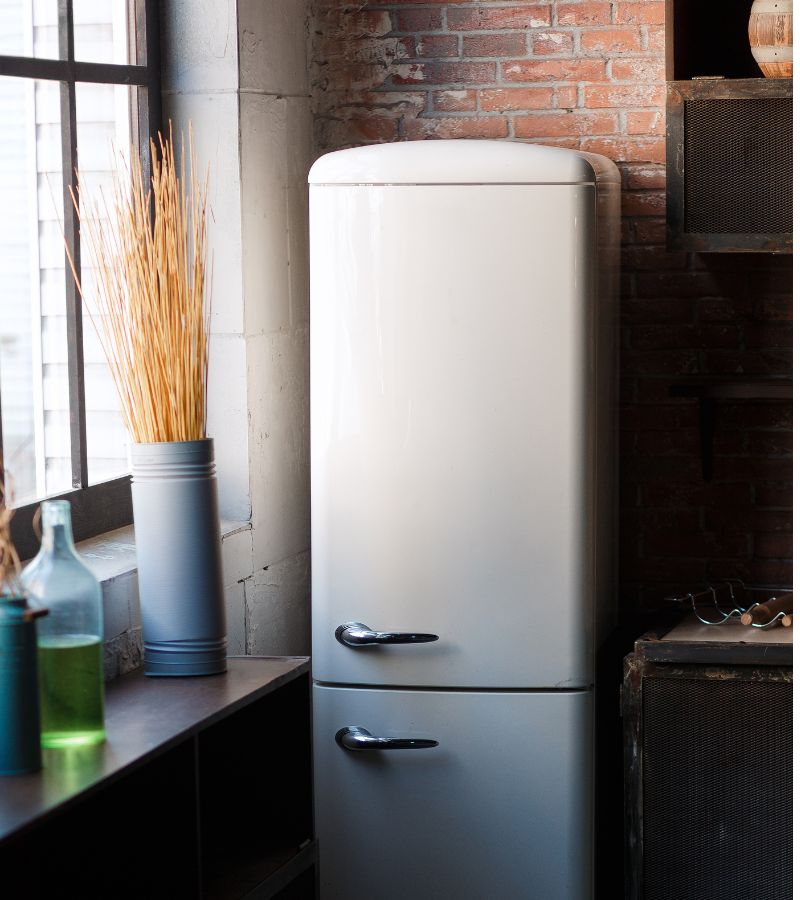
Should chocolate be refrigerated? When the weather heats up, it might feel instinctive to toss your chocolate in the fridge, or even dedicate an entire chocolate fridge (we won’t judge). But unless it’s absolutely necessary, that cold storage can do more harm than good.
Why? Because chocolate doesn’t do so well with sudden shifts in temperature or humidity. These changes can alter how it looks, tastes, and feels. Let’s take a closer look at what really happens when you refrigerate chocolate and how to store it the right way.
What happens when you put chocolate in the fridge?
Chocolate is sensitive to its environment. When you move it from a cold fridge to a warmer room, moisture can collect on the surface. This can lead to sugar bloom. White, gritty patches caused by crystallised sugar. You might also see fat bloom, which are pale streaks caused when cocoa butter rises and re-solidifies.
Refrigeration can dull chocolate’s complexity. Cold chocolate doesn’t melt the same way in your mouth, which mutes the flavour and makes it feel waxy. And since chocolate is porous, it easily absorbs surrounding odours. So if it’s stored next to cheese or garlic, your chocolate might take on some unexpected aromas.
So, should you put chocolate in the fridge? It depends. If your room stays above 25°C, the fridge might be your only option. In that case, it’s all about storing it properly.
How different chocolate types react to refrigeration
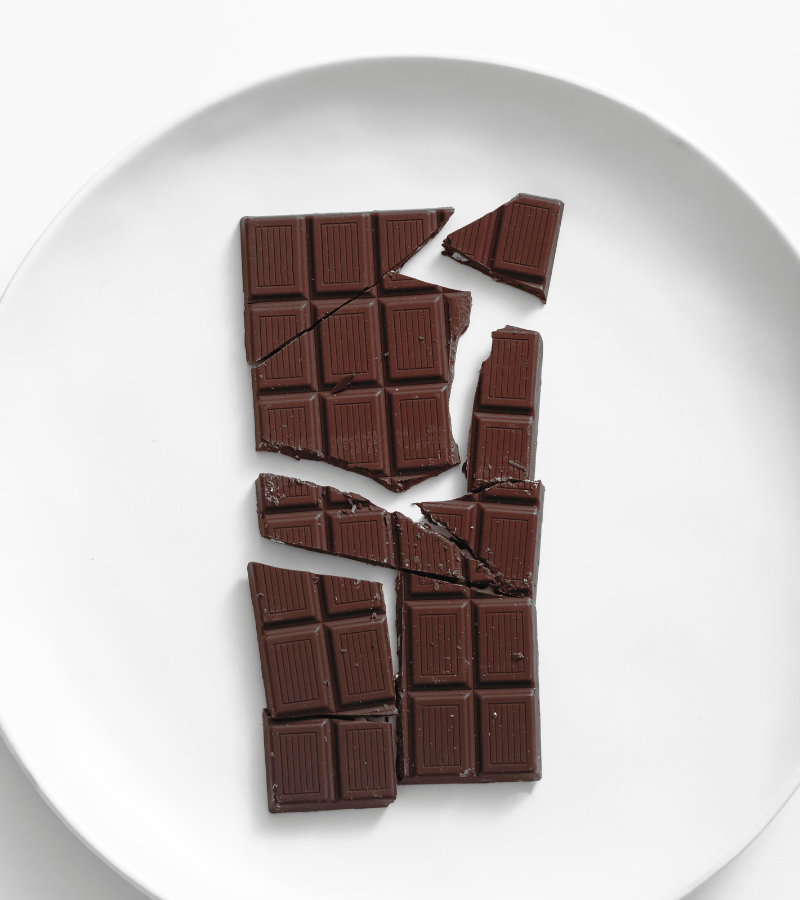
How chocolate reacts to cold depends on its cocoa and sugar content. Not all chocolate is created equal. Different types of chocolate can vary drastically in sugar and cocoa content, and react differently to being stored in the fridge. We’ve broken down the differences.
Dark Chocolate
Dark chocolate is the most stable in cooler temperatures. Its high cocoa content and low sugar make it less prone to bloom. Also, it doesn’t contain dairy, so it holds its structure well. But even dark chocolate can absorb odours and develop surface changes if left unprotected. If placed in the fridge, it should always be sealed properly.
Milk and White Chocolate
Milk and white chocolates are more sensitive to humidity. Milk chocolate contains sugar and dairy, which makes it more prone to sugar bloom. White chocolate, made only with cocoa butter, is especially delicate and can easily lose its smooth texture in the fridge.
Filled or Artisan Chocolates
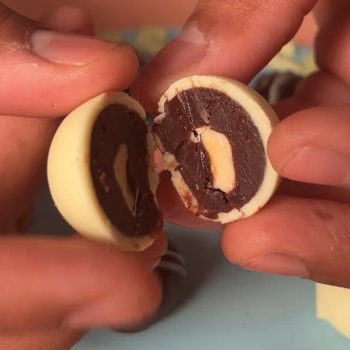
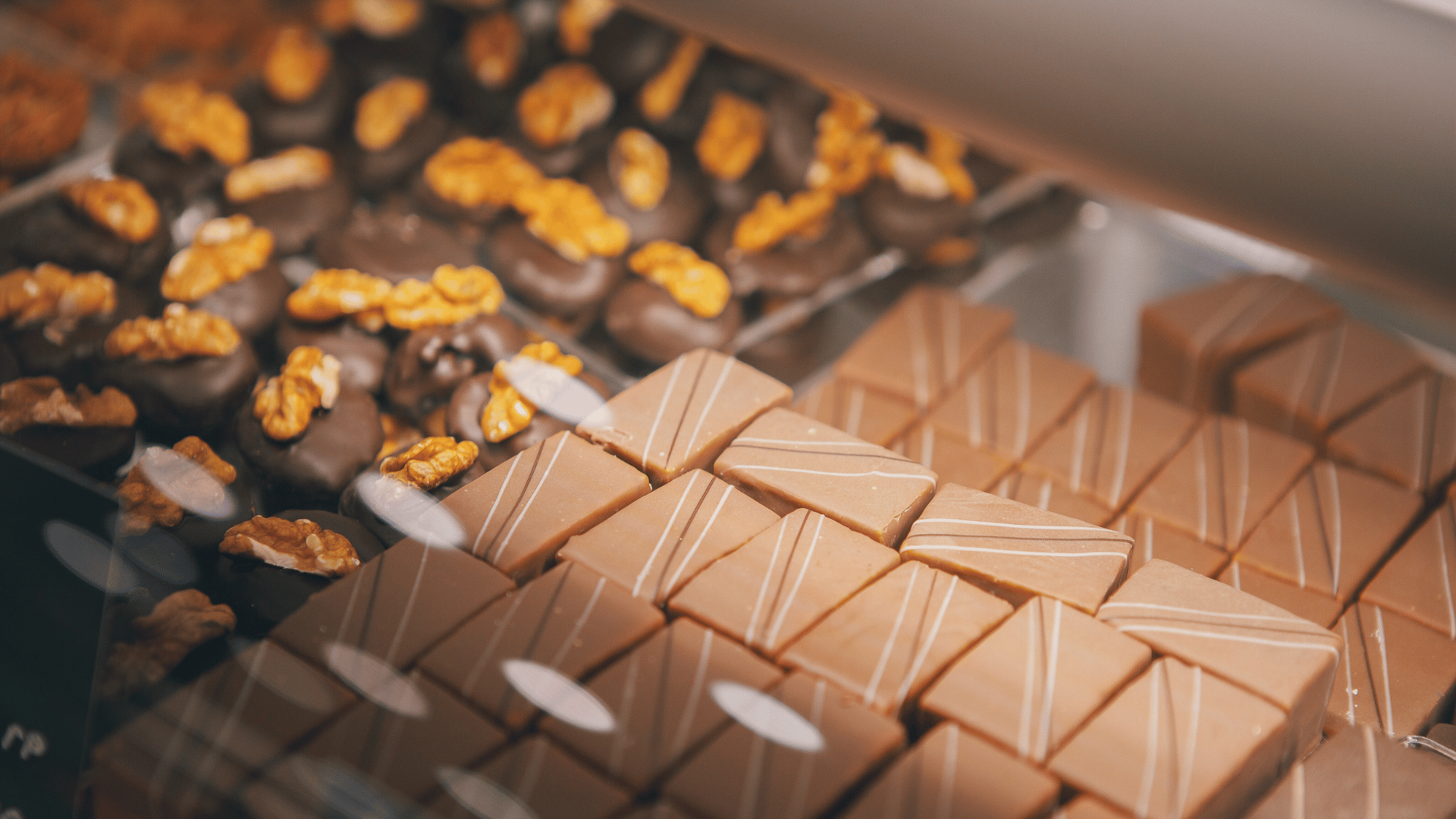
At risk of affecting the outer shell of chocolate, chocolates filled with cream, fruit, or ganache should be refrigerated to prevent spoilage. These ingredients are perishable, especially in warmer climates. Just be sure to bring them to room temperature slowly before unwrapping to avoid surface changes.
Chocolate Drops
Thanks to their small size, chocolate drops adjust to temperature shifts more easily. So, they’re a safer bet for refrigeration. Especially if you’re using them in baking where appearance matters less.
How to properly store chocolate
The best place for chocolate? Somewhere cool, dry, and dark, like a cupboard or pantry. Ideally, that means a consistent temperature between 15°C and 21°C, away from sunlight, heat sources, and strong-smelling foods.
So, we hate to break it to you, but you might want to think twice before building that chocolate refrigerator. If you must use the fridge, protect it well. Wrap your chocolate tightly in plastic wrap or parchment paper, then place it inside a sealed container. When you’re ready to enjoy it, let it sit out and gradually come to room temperature before unwrapping. This helps prevent condensation and keeps the texture intact.
How long before chocolate expires?
Fridge or not, chocolate lasts a long time when stored well. At a glance:
- Dark chocolate can stay fresh for up to 2 years.
- Milk and white chocolate typically last up to a year.
- Filled or artisanal chocolates should be consumed within a few weeks.
- Chocolate drops will follow the same timeline as their base type.
Feel like digging a little deeper? 👉 Learn more about chocolate shelf life.
The Final Verdict
So, should you keep chocolate in the fridge? Only if you really need to. Chocolate keeps best in a stable, cool, and dry environment. But if you do have to refrigerate it, wrap it well, store it airtight, and let it warm up slowly before unsealing.
At The Cocoa Circle, we believe good chocolate deserves good care. From how it’s grown to how it’s stored. That’s why we craft cocoa with impact: flavourful and consciously made. Whether you’re adding our Dark Cocoa Drops into batter or savouring them straight, it’s cocoa that tastes good and does good
Still curious? Check out our other blogs for more chocolate facts: